From HODL to High-Frequency: The Evolution of Crypto Trading Strategies
The Revolution Beneath Our Feet
What if I told you that crypto trading strategies have evolved faster than the market itself? That the once-revered mantra of HODL—holding onto assets with diamond hands—has now been overshadowed by algorithms executing thousands of trades per second?
In a financial landscape shaped by volatility, profit no longer favors the patient; it rewards the swift and the calculated.
From the idealistic beginnings of Bitcoin believers to the lightning-fast efficiency of high-frequency traders, the evolution of crypto trading strategies tells a compelling story—one that mirrors the intersection of technology, psychology, and global economics.
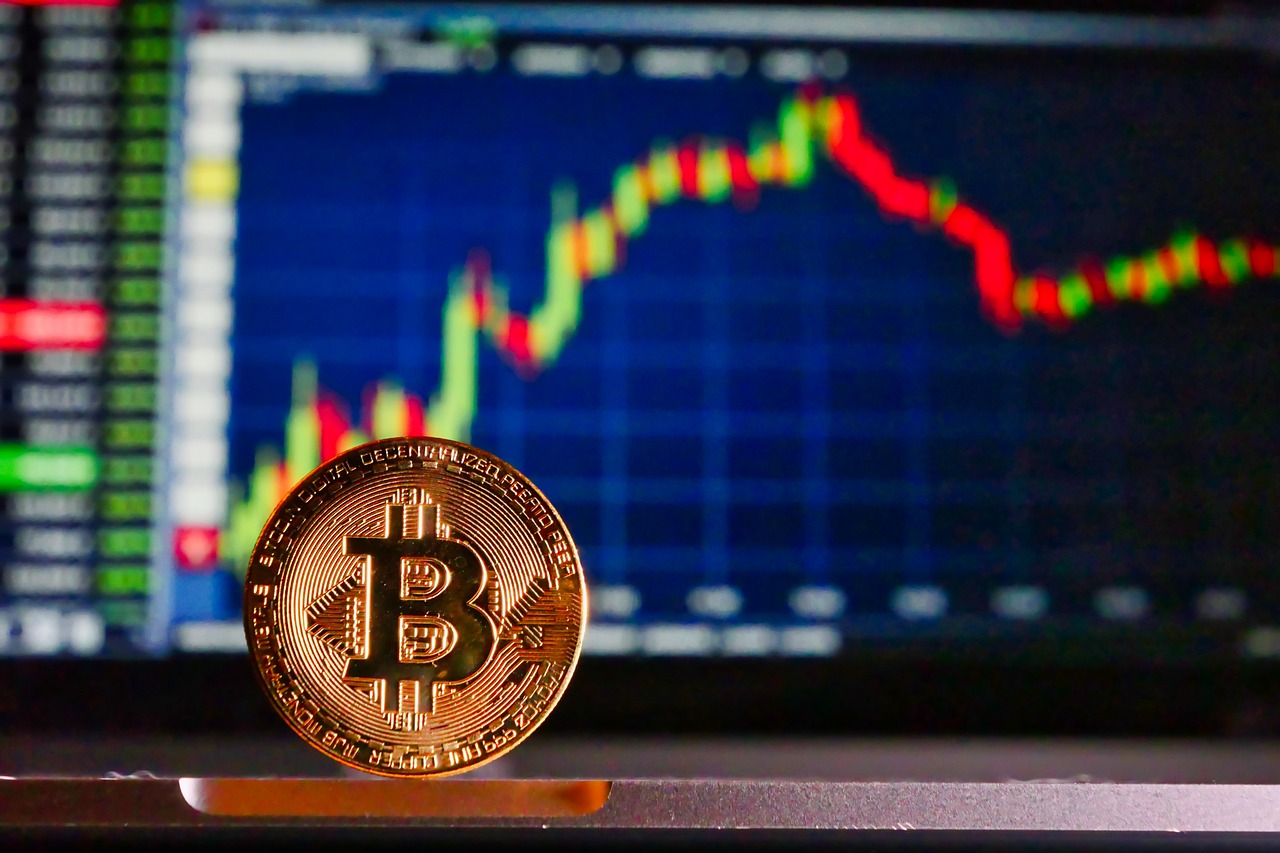
The HODL Era: When Belief Was Enough
In the early days, trading crypto wasn’t about strategy—it was about survival. Back in 2010, Bitcoin was dismissed as a fringe experiment, largely ignored by institutional investors.
Yet, those who believed held onto their digital assets through every crash, every regulatory hurdle, and every dismissal from traditional finance. The philosophy was simple: hold no matter what.
HODLing wasn’t just a passive strategy; it was a cultural movement. It embodied resilience against market manipulation and established a foundational belief in decentralization.
Those who stayed the course were handsomely rewarded as BTC surged from pennies to thousands of dollars.
But belief alone isn’t an investment strategy. As liquidity increased and the market matured, new trading methodologies emerged—ones that could respond instantly, capitalize on inefficiencies, and extract value without waiting for price appreciation.
The Rise of Algorithmic Trading: A Game of Speed and Precision
Enter quantitative models and algorithmic trading, where math replaces emotion, and execution speed defines profitability. Institutional traders armed with AI and predictive analytics started eroding the dominance of simple buy-and-hold strategies.
High-frequency trading (HFT) transformed the playing field. Unlike HODLers waiting for market cycles, HFT traders execute hundreds of trades per second using algorithmic strategies such as market-making, arbitrage, and trend prediction.
The goal? Profit from microprice movements before the rest of the market even reacts.
Consider firms like Jump Trading and Alameda Research—titans of the crypto HFT world. Their edge isn’t just technology; it’s access to low-latency infrastructure that reduces transaction time to mere milliseconds. For them, speed isn’t an advantage; it’s survival.
The Battle Between Strategy and Ethics
But with great speed comes great controversy. The ethical dilemmas surrounding algorithmic dominance raise unsettling questions: Does HFT amplify volatility? Does it disadvantage smaller investors?
There’s no simple answer. Some argue HFT increases liquidity and tightens bid-ask spreads, making markets more efficient.
Others claim it creates an unfair playing field, where deep pockets and advanced computing power determine success.
One thing is certain—crypto trading strategies will continue to evolve. As artificial intelligence advances and decentralized exchanges adopt new forms of automated execution, the next frontier of trading may not even require human intervention at all.
Looking Ahead: The Future of Trading
Where does the market go from here? The next phase in crypto trading strategy may hinge on predictive modeling, decentralized finance (DeFi), and AI-driven decision-making.
Machine learning algorithms capable of analyzing social media sentiment, macroeconomic indicators, and blockchain analytics in real time could give traders an unprecedented edge.
But one question remains: Will there ever be a perfect strategy? The market isn’t just numbers—it’s emotions, narratives, and unpredictable events. No algorithm can fully account for human behavior.
So whether you embrace HODL, algorithmic trading, or whatever comes next, the real evolution isn’t in strategy alone—it’s in understanding the mechanics of market psychology and the forces shaping financial landscapes.
The question isn’t which strategy will dominate next. It’s whether we’re prepared for the speed at which everything is changing.