Leveraged Trading in Crypto: Double the Profit or Double the Risk?
The Temptation of Amplified Gains
Imagine turning a small deposit into a massive return, multiplying your profits without needing additional capital. Sounds appealing, right?
That’s the allure of leveraged trading—a method that allows traders to borrow funds to increase their position size.
But here’s the catch: just as leverage magnifies gains, it also amplifies losses—sometimes wiping out entire portfolios in mere minutes.
So, is leveraged trading a shortcut to wealth or a dangerous gamble? The answer lies in how you use it.
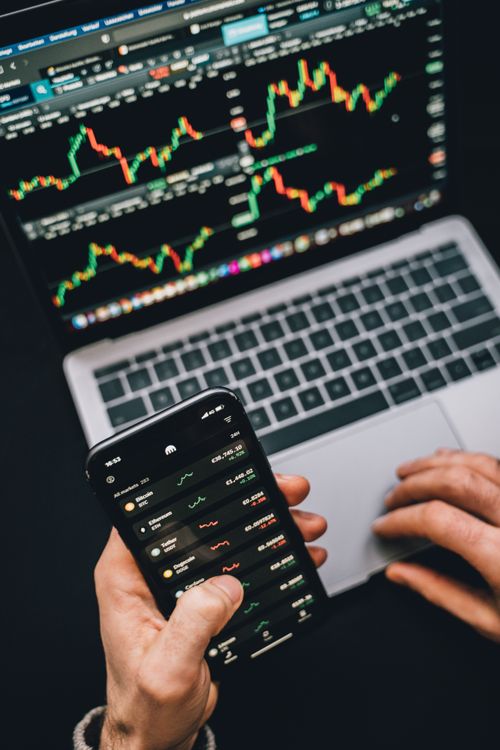
How Leverage Works in Crypto Trading
Leverage lets traders control a larger position size than their actual investment by borrowing capital from the exchange.
Example:
With 10x leverage, a $1,000 trade becomes a $10,000 position.
If the price moves +5%, the profit is $500 instead of $50.
But if the price drops -5%, the loss is $500—and with extreme moves, liquidation wipes out everything.
The most common leveraged instruments in crypto include:
Perpetual Futures – Contracts with no expiry, allowing traders to hold leveraged positions indefinitely.
Margin Trading – Borrowing funds against holdings to increase position size.
Options & Derivatives – Speculative instruments that enhance risk-reward potential.
While professional traders use leverage strategically, reckless use leads to instant liquidation—a common trap for newcomers.
The Risks: How Traders Get Wiped Out
1. Liquidation and Forced Selling
When losses exceed the collateral in your account, exchanges automatically close positions—leaving traders with nothing.
2. Market Volatility and Manipulation
Crypto is inherently volatile. A sudden price wick triggered by whale movements can liquidate leveraged positions—even if the market quickly rebounds.
3. Psychological Pressure and Emotional Trading
Leverage intensifies fear, greed, and panic, leading traders to make irrational decisions—either holding too long or exiting too soon.
How to Use Leverage Responsibly
Smart traders don’t rely on luck—they structure leveraged trades with precision:
Use Stop-Loss Orders – Set predefined exits to prevent catastrophic losses.
Limit Leverage Exposure – Beginners should start with low leverage (2x-5x) instead of extreme multiples.
Analyze Risk-Reward Ratios – Never enter a trade where potential losses outweigh realistic gains.
The Verdict
Leverage isn’t inherently bad, but it demands discipline, strategy, and risk management. Used wisely, it accelerates profits—but misused, it erases capital faster than traders expect.